By Nqobile Dludla
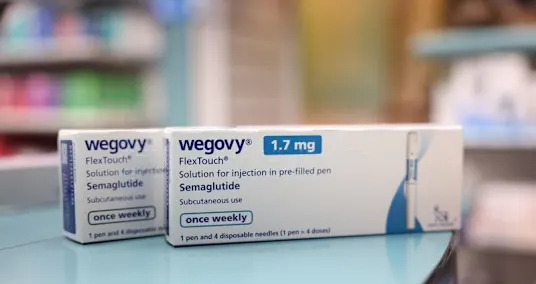
JOHANNESBURG, March 25 (Reuters) - Novo Nordisk is cutting South African prices of its weight-loss drug Wegovy for a second time since it launched in August, local executives said on Wednesday, pointing to fierce competition in a market led by rival Eli Lilly.
The Danish drugmaker launched Wegovy in South Africa in August, when reference pricing was uncertain due to talks with the U.S. administration on its proposed "most-favoured nation" policy linking U.S. drug prices to those in peer countries.
"We were of the view that the prices at the time were not conducive for the South African market," Thabeng Leping, who oversees market access and public affairs for Novo Nordisk South Africa, told Reuters on the sidelines of an event about obesity.
"Because we couldn't delay the launch, we just decided we'll fix it as we go along," he said. "So we reduced our prices in December. We've submitted another reduction of our prices yesterday."
The lowest injected dose of Wegovy has dropped from 3,090 rand ($183) to 1,873 rand, while the highest dose has fallen 27% to 3,746 rand. A further 12% cut to the 1.7 mg dose - the second highest - is awaiting approval, Leping said.
Eli Lilly's rival Mounjaro starts at about 3,600 rand. Its share of the South African market grew to 52% at the end of January, Aspen Pharmacare, the official seller of Mounjaro, said this month, predicting more than 1.3 billion rand ($77 million) in sales in the year through June.
Novo declined to give local sales figures, saying only that its products were doing "extremely well".
Speaking on a panel at the event, Novo South Africa General Manager Sara Norcross said the company intends to introduce its Wegovy pill locally "as soon as possible".
Both Novo and Lilly face competition from unauthorised copycat versions of their drugs, which Norcross said were used by one in two people on weight-loss treatments in South Africa despite adverse outcomes.
Novo has pursued legal action against a local compounder, while the health regulator is moving to classify such products as "undesirable."
($1 = 16.9093 rand)
(Reporting by Nqobile Dludla; editing by Philippa Fletcher)
LATEST POSTS
- 1
 5 Language Learning Applications
 - 2The most effective method to Promoter for Cutthroat Medical attendant Compensations in Your Medical services Office
- 3Trump signs bill allowing whole milk to return to school lunches
- 4Key takeaways from Sen. Bill Cassidy's interview on 'Face the Nation' with Margaret Brennan
- 5Meet the Artemis crew in NASA's first astronaut mission to the moon in more than a half-century



- Well known Worldwide Caf\u00e9s to Experience
- Twins were the norm for our ancient primate ancestors − one baby at a time had evolutionary advantages
- Hidden Island Cameras Capture Rare Tasmanian Species for the First Time Ever
- Man Charged for Stealing ‘Incredibly Precious’ 286-Year-Old Violin, Worth More Than $200,000, from a Tavern
- Lift Your Style: Famous Hairdos for Ladies
- Triumph’s Gorgeous, Super-Affordable and Approachable New Street Motos Share a Heart But Not a Soul
- Amid growing bipartisan scrutiny of Pete Hegseth, Trump says he 'wouldn't have wanted … a second strike' on alleged Venezuelan drug boat survivors
- 10 High priority Contraptions for Tech Aficionados
- A 3-limbed Kemp's ridley sea turtle is now being tracked at sea by satellite