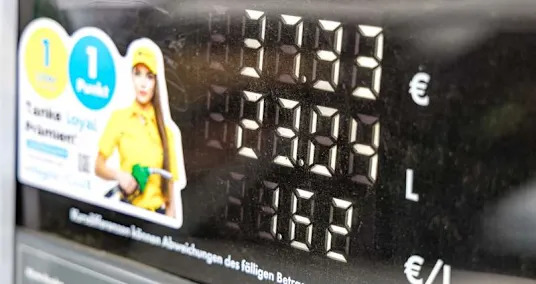
New legislation to reduce fuel prices in Poland took effect on Tuesday, as the government in Warsaw tries to reduce the impact on consumers of increased global oil prices due to the Iran conflict.
According to the Energy Ministry, a litre of regular petrol may not cost more than 6.16 zloty (about $1.65). The maximum retail price for a litre of super is now 6.76 zloty and for diesel 7.60 zloty.
The legislation, signed into law on Friday, provides for a reduction in VAT on fuels from the current 23% to 8%. In addition, the energy minister will be able to reduce the level of the energy tax on fuel until the end of June.
The government had already announced a reduction to the minimum permitted under EU law for petrol and diesel, which comes to just under €0.07 ($0.08) per litre.
A maximum retail price for fuel is to apply until the end of June. That price will be set daily by the energy minister on the basis of average wholesale prices and the operating costs of the largest suppliers. Violations can be punished with fines of up to the equivalent of €230,000.
LATEST POSTS
- 1
 Hundreds show fascist salute at rally in Rome in annual ritual
 - 2Rick Steves Doesn't Want You Overlooking This Food Spot While In France
- 3Amateur's Manual for Venture Strategies for Tenderfoots
- 4Carry Nature Inside with These Staggering Plant Decisions
- 5Israeli lawmakers pass bill reviving death penalty for terrorists


- NASA satellite gazes into Medusa Pool | Space photo of the day for Dec. 24, 2025
- Figure out how to Keep up with Your Dental Inserts for Long haul Achievement
- Figure out What Experience Level Means for Medical caretaker Compensation Dealings
- Pick Your Favored kind of books
- The most effective method to Quick Track Your Outcome in Advanced Showcasing with a Web-based Degree
- Hamas demanded displaced Gazans pay rent on beach tents amid torrential downpour, IDF reveals
- A mom stopped giving her kids snacks — and sparked a debate about eating habits
- Why are NASA's Artemis astronauts wearing orange? What are they bringing to space? What to know about the preparation for their moon mission.
- Vote in favor of your #1 Kind of Cap