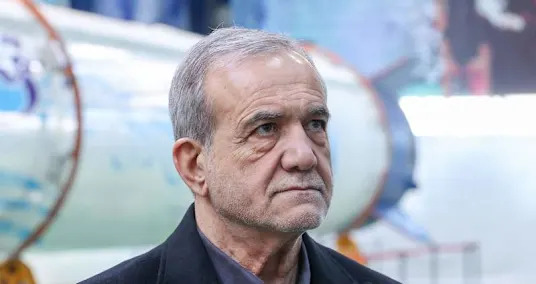
Iran's President Masoud Pezeshkian on Saturday threatened harsh retaliation against neighbouring countries should Iranian infrastructure or economic centres be attacked.
In a message "to the countries of the region" posted on X, Pezeshkian wrote: "If you want development and security, don't let our enemies run the war from your lands."
According to Iranian sources, Israeli and US forces had previously expanded their aerial attacks on steelworks and defence and energy infrastructure facilities in several Iranian provinces.
Since the start of the war on February 28, Iran has in turn attacked targets in several Gulf states hosting US military bases.
Meanwhile, the Israeli army said it had completed a further wave of attacks against targets in Tehran linked to the Iranian leadership.
No details regarding the exact targets or possible consequences were initially available.
Reports of new Iranian missile attacks also emerged in Israel, with sirens sounding in several areas in the south of the country.
LATEST POSTS
- 1
 Why are malnutrition deaths soaring in America?
- 2Astronomer captures 2 meteors slamming into the moon (video)
- 3Can scientists detect life without knowing what it looks like? Research using machine learning offers a new way
- 4Rocket shines under the northern lights | Space photo of the day for March 25, 2026
- 5AI’s errors may be impossible to eliminate – what that means for its use in health care


- Manual for Picking the Ideal Wine Matching
- The Red Sea strategy: What does Israel stand to gain from recognizing Somaliland?
- Sound Propensities: 20 Methods for helping Your Insusceptible Framework
- Can a mammogram help identify heart disease?
- Vote In favor of Your Favored Web-based Book Retailor
- Eating Brie, Gouda, cheddar may lower dementia risk, new study says
- Figure out How to Adjust Your Handshake to Various Societies
- True serenity: Investigating Emotional well-being and the Advantages of Contemplation
- Science is best communicated through identity and culture – how researchers are ensuring STEM serves their communities


