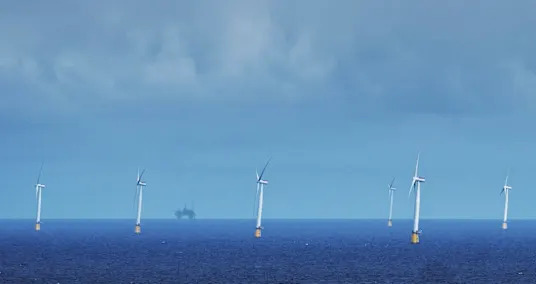
The deepening energy crisis triggered by the US-Israel war with Iran has thrust energy security back onto the political stage in European countries — and widened fault lines along with it.
In the UK — which is particularly vulnerable because of its imports of gas, and which suffered hefty price rises following Russia’s 2022 invasion of Ukraine — attention this time has shifted from diversifying supply away from single countries to a broader push to move beyond fossil fuels, said Annabel Rice, a senior political adviser at the Green Alliance, a London-based think tank. Or at least, that’s the takeaway the governing Labour Party seems to have settled on, casting renewables as more insulated to oil price shocks.
France is similarly leaning towards reducing reliance on hydrocarbons. The country’s prime minister has tasked his cabinet with identifying priority actions to electrify the economy. Others in Europe, such as Italy, have so far opted to double down on fossil fuels to cushion the blow from surging electricity bills. The UK’s opposition Conservative Party is pitching a similar idea, launching a “Get Britain Drilling” campaign this week, pressing to reverse the country’s ban on North Sea oil and gas licenses and claiming it would cut bills significantly.

LATEST POSTS
- 1
 Google's proposed data center in orbit will face issues with space debris in an already crowded orbit
 - 2When the moon hits your eye from your Orion ship up high, that's a 'mare'
- 3Surging measles cases are 'fire alarm' warning that other diseases could be next
- 4Carrefour becomes first European retailer to offer shopping on ChatGPT
- 5Instructions to Improve Your Mental Exploration with Cutting edge Measurements





- Medicine doesn’t just have ‘conscientious objectors’ − there are ‘conscientious providers,’ too
- Step by step instructions to Open a Lovely Waterway Voyage Insight: Conveniences, Administrations, and Elite Offers
- This Huge Ocean Beast Shifts Sharks’ Evolutionary Timeline
- Revealing the Specialty of Food Matching: Improving Culinary Encounters
- Toyota’s Next Big Sports Car Might Apparently Be a Turbocharged All-Paw Beast
- Bayer reports positive results for blood thinner after 2023 setback
- From Specialist to Proficient Picture taker: Individual Triumphs
- Top 5 Top of the line Books of the Year
- Novo Nordisk gears up for December Ozempic launch in India, sources say