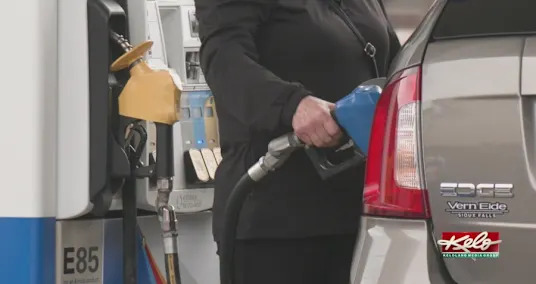
A clear majority of people in Germany believe the government's measures against rising fuel prices are inadequate, with 80% of respondents surveyed saying not enough is being done, the ZDF's Politbarometer poll released on Friday showed.
Some 14% consider the measures appropriate while 3% say they go too far.
Many people are calling for a temporary cut in taxes and levies on petrol and diesel, the survey found. Some 73% support such a step while 25% oppose it. That's backed by a majority across most party supporters, with only Green party supporters showing a split picture.
On Thursday, the German parliament passed a package of measures to help cushion the higher energy costs. Petrol stations will only be allowed to raise prices once a day at noon (1100 GMT), though they could cut prices anytime.
The new rule could take effect before Easter, though it is unclear whether it will curb prices. The Federal Cartel Office is also to be given more powers to act against excessive prices.
LATEST POSTS
- 1
 Cyber Monday Paramount+ deal: Save 50% and stream these buzzy Taylor Sheridan shows
 - 2Watch live as near-Earth asteroid Eros buzzes the Andromeda Galaxy on Nov. 30 (video)
- 3Accor signs agreement to transform El Gouna resort as Sofitel
- 4Architect Frank Gehry has died: See his most iconic buildings
- 5Ukrainian troops showed 'greater tactical imagination' than Western trainers, British officer says, pointing to their ambush tactics





- The 10 Most Significant Games in History
- Palestinians reel under winter rains as Israel blocks Gaza shelter supplies
- Illumina unveils dataset to speed up AI-powered drug discovery
- How to get rid of your Christmas tree — and the 1 thing to never, ever do with it
- First SpaceX booster for upgraded Starship fails during test in Texas
- The pinch at the pump continues on
- Josh Duhamel's secret to the good life at 53? Wolverine peptides, ditching Hollywood and having another baby.
- Cocoa Prices Undercut Amid the Prospects of Abundant Supplies
- Brazil Passes Law to Use Seized Bitcoin, Crypto to Fund Public Security Measures